Postdoctoral opportunity in Metabolic Regulation of the Genome in Leukemia funded through the MSCA program CarrerasLeaders
We are looking for a motivated researcher who is interested in developing a research line in the emerging field of metabolic regulation of the genome. Focusing on leukaemia, the postdoc will take an active role in the recently funded MSCA doctoral network NUCLEAR that we are coordinating on the topic. The postdoc will lead a small team including a PhD student and tightly collaborate with other members of the lab, the institute and the NUCLEAR network.
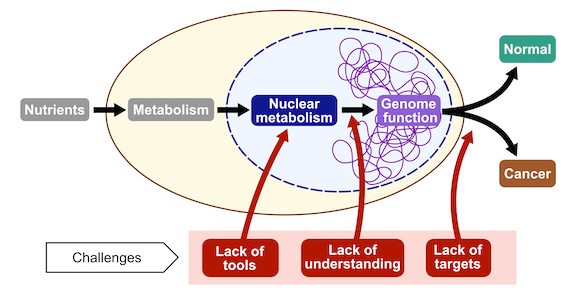
Figure 1. Metabolic regulation of Genome Function determines cell identity.
Traditionally, metabolism was viewed as consequence of cell identity, however in the last decade there has been increasing evidence that metabolism plays an active role in cell-fate decisions. Like all biochemical reactions, chromatin regulatory mechanisms are sensitive and influenced by the metabolism in their immediate environment. Cells use this metabolic–chromatin regulation to adapt to environmental cues and changes in nutrient availability. Moreover, there is genetic and epidemiologic evidence that failure in the cellular capacity to adapt to nutritional changes leads to cancer or other diseases. Embedded in the NUCLEAR network, we consider two major aspects of how nuclear metabolism regulates genome functions (Figure 1). First, we will evaluate whether leukemia-associated metabolic changes impact chromatin and disease-relevant gene regulation. Second, we will assess which metabolic enzymes are located in the nucleus of leukemia cells and if they contribute to chromatin regulation. The postdoc will dissect one of these aspects in the context of acute myeloid leukaemia or another haematological disease.
What we need
- A high level of motivation and interest.
- High-level of collaborative and communicative skills.
- Relevant expertise in chromatin biology or blood cancers.
- Technical expertise in cell culture methods, molecular biology and biochemistry,
- Competitive CV with a track record of publications that will allow us to apply for competitive fellowships such as MSCA, EMBO and FEBS.
- PhD title.
- Meeting the MSCA mobility criteria of not having lived in Spain for more than 12 months during the last 3 years.
- 0-7 years of postdoc experience.
- Good level of English speaking and writing skills (required). Spanish (helpful).
What we offer
- Incorporation in a multinational and highly collaborative team.
- An innovative and interdisciplinary research project.
- Mixed basic and clinical research environment of the Josep Carreras Leukaemia Research Institute.
- The international network of the Buschbeck lab.
- The stimulating environment of the Barcelona metropolitan area.
- Three-year contract with an attractive salary.
- Preferential start date: Anytime after February 2025.
How to apply
The position will require a successful application to the in-house MSCA postdoctoral program CarrerasLeaders. (https://carrerasleaders.eu). The application deadline is end of October and candidates will be selected through a competitive selection process. To allow for sufficient time of preparation, interested candidates are encouraged to get into contact with Marcus by email (mbuschbeck@carrerasresearch).
 Buschbeck Lab